

The Truth About Garment Care: What We Can Fix, What We Cannot, and How Stains Work
KEY TAKEAWAYS
Clothes have a lifespan. After many washes, fabrics degrade naturally. This is not a cleaning error.
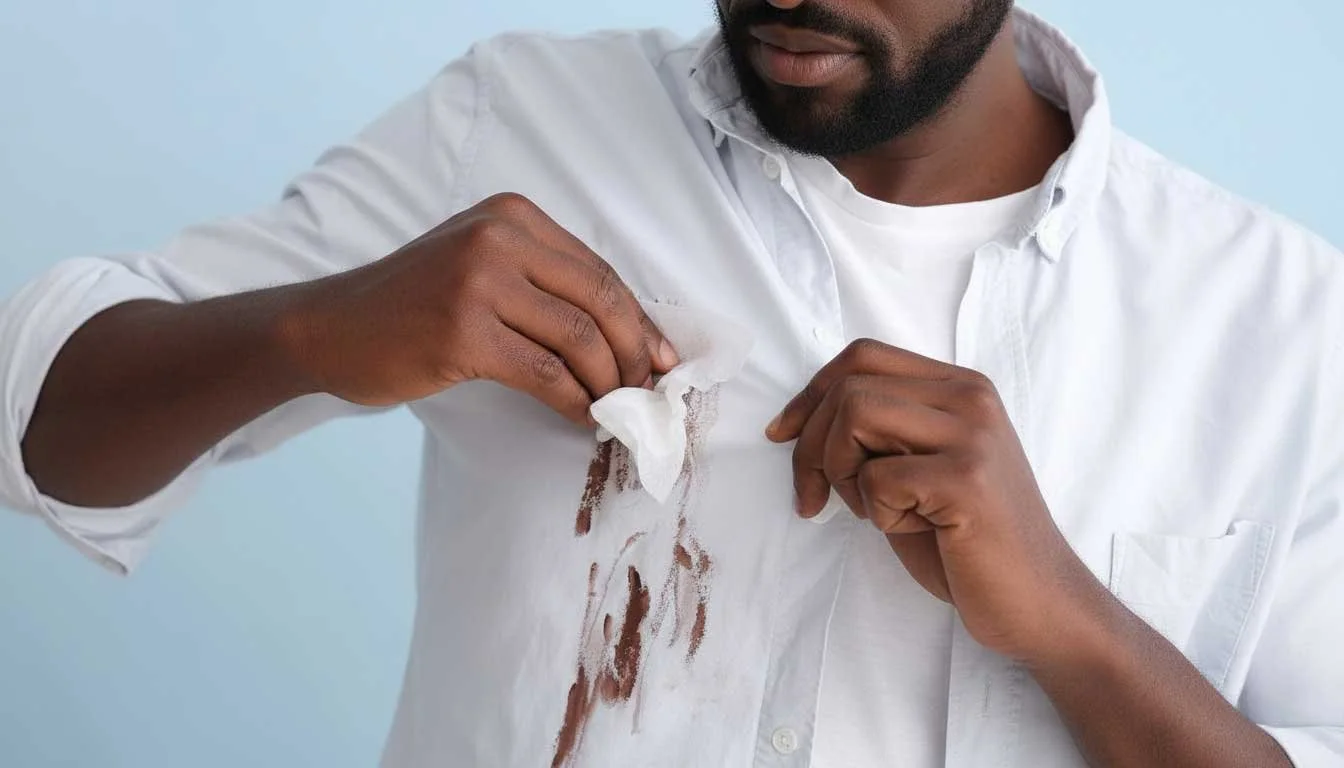
The sooner a stain reaches us, the better the result. Home treatments often make recovery harder.
Some stains are permanent. Heat-set, bleach-damaged, and severely oxidized stains have limits.
Garment damage claims are assessed on the actual condition and age of the item, not its original purchase price.
We treat every item individually and make every reasonable effort to correct problems when they are within our control.
We have been caring for Brooklyn families' clothing since 2001. In 25 years, we have cleaned tens of thousands of garments at our Carroll Gardens facility. We are proud of that. We are also honest about what that experience has taught us.
Not every outcome is perfect. Not every stain lifts completely. Some garments come back looking slightly different from what they did before, because they are older, because the fabric has traveled further, and because wear and washing have taken their natural toll.
This post is for customers who have questions. About how garments age. About what stains can and cannot be reversed. About what happens when something goes wrong. And about how we handle it.
We believe in being straightforward. That is what this is.
Your Clothes Age. That Is Not a Failure.
A garment does not have an unlimited lifespan. Fibers weaken with repeated washing. Colors soften and shift. Elasticity diminishes. Linings wear thin. Seams relax. This is not a defect. It is the natural life cycle of fabric.
Every wash, whether at home or professionally, adds friction, heat, and chemical exposure to a garment. Over time, that accumulates. A cashmere sweater cleaned properly 30 times will not look the same as it did on the day you bought it. Neither will be a dress shirt, a wool suit, or a pair of linen trousers.
This matters because we sometimes become the cleaner handling a garment at the end of that natural journey. The item comes to us, we clean it with care, and it comes back showing its age. That is not something we caused. It is something the garment arrived with.
Approximate lifespan by fabric type:
Cotton dress shirts: 50 to 80 professional cleans before visible wear
Wool suits: 20 to 40 cleans depending on weight and construction
Cashmere knitwear: 15 to 25 cleans before fiber softness degrades noticeably
Silk: 20 to 30 cleans under ideal conditions, fewer with any heat exposure
Synthetic blends: highly variable, but heat sensitivity increases with each wash
We evaluate every garment before we clean it. When we see a piece that is fragile, worn, or near the end of its textile life, we note it. When we believe a piece carries risk, we try to communicate that before we proceed.

Tough Stains: What Can Be Removed, and What Cannot
The most common question after a complaint is: "Why is the stain still there?" The answer is almost always one of three things: the stain was already set when it arrived, something was done at home that changed its chemistry, or it is simply a stain that professional cleaning cannot fully reverse.
Here is a direct guide to the most common tough stains, how we treat them professionally, and what realistic outcomes look like.
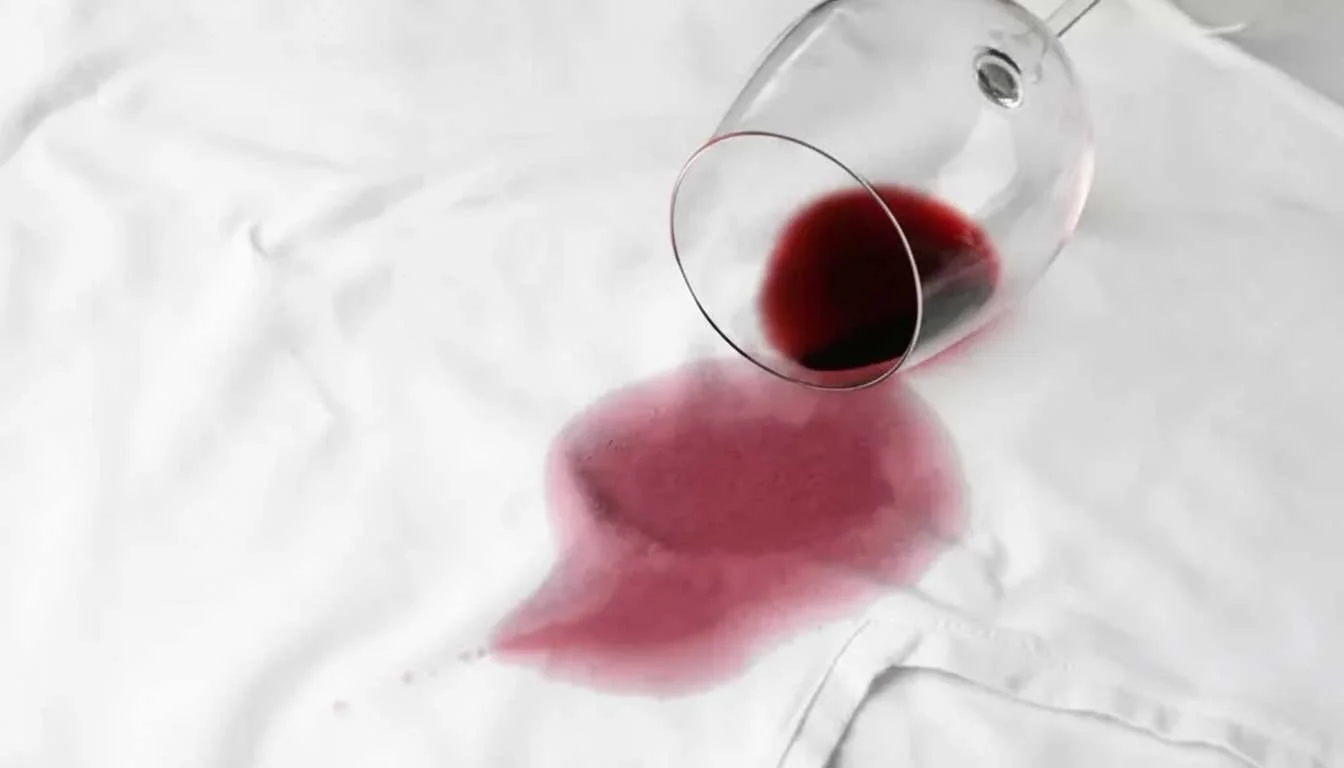
Red Wine Treatment: Enzyme pre-treatment followed by cold wet-cleaning. Recovery: Near-perfect if fresh. Significantly lower after 24+ hours or any heat exposure.
Blood Treatment: Cold water and enzyme treatment applied immediately. Hot water must be avoided entirely. Recovery: Excellent if fresh. Heat-set blood is often permanent.
Ink (Ballpoint) Treatment: Solvent-based ink remover applied before dry cleaning. Recovery: Good. Gel and fountain pen inks bond more aggressively and are harder to remove.
Grease and Oil Treatment: Solvent pre-treatment before dry cleaning. Absorb first, never rub. Recovery: Very good if untreated at home. Significantly worse after heat setting.
Coffee and Tea Treatment: Enzyme pre-treatment and wet-cleaning. Tannin-based stains respond well to the right chemistry. Recovery: Good if fresh. Oxidized coffee stains can yellow permanently.
Sweat and Body Oil Treatment: Enzyme soak followed by wet-cleaning. Critical to treat before any storage. Recovery: Good. Long-term sweat stains can cause permanent fiber degradation.
Grass Treatment: Enzyme treatment. Chlorophyll responds to specialist cleaning. Recovery: Moderate. Deep-set grass on light fabrics can leave a faint shadow.
Mud and Dirt Treatment: Allow to dry fully, brush off, then wet-clean. Never treat while wet. Recovery: Very good. Rubbed-in mud is harder to fully remove.
Mold and Mildew Treatment: Anti-fungal treatment and professional conditioning. Leather requires a specialist. Recovery: Moderate. Severe mold permanently weakens and stains fibers.
Rust Treatment: Professional rust remover. It cannot be safely treated at home. Recovery: Fair. Old rust on fine fabrics may leave permanent discoloration.
Dye Transfer Treatment: Color-transfer remover and careful wet-cleaning. Assessed on a case-by-case basis. Recovery: Fair to poor. Deep dye transfer into natural fibers can be irreversible.
Bleach Damage Treatment: Professional color restoration and oxidation ring neutralization. Recovery: Fair. Bleach removes color permanently. Restoration improves appearance only.
Candle Wax Treatment: Freeze, peel, solvent-treat the residue, then steam finish. Recovery: Very good if treated cold. Heat-melted wax driven into fibers is harder to remove.
Sunscreen Treatment: Enzyme soak and solvent pre-treatment. Common on collars and cuffs. Recovery: Good. Long-set sunscreen causes permanent yellowing on white fabrics.
Dried Champagne and White Wine Treatment: Enzyme treatment and wet-cleaning. Caramelized sugar residue is the main challenge. Recovery: Fair. Stains that have yellowed over time may only partially lift.
A note on heat-set stains
The single factor that most determines whether a stain can be removed is whether it has been exposed to heat. Heat fuses stains to fibers. A fresh red wine stain that comes to us within 24 hours has a very high recovery rate. The same stain, run through a home dryer, is often permanent.
This is why our first advice is always: do nothing and bring it in. Not because we are dismissive of what customers can do at home, but because the wrong treatment at home closes doors that would otherwise be open.
Stains that cannot be reversed regardless of treatment:
Bleach damage (the color is chemically destroyed, not stained)
Acid burns or chemical damage (fabric fibers are dissolved or weakened)
Severe dye transfer on natural fibers left untreated for weeks
Sun fading and UV oxidation (structural color loss over time)
Champagne or wine stains that have caramelized over months or years
Any stain heat-set through multiple home dryer cycles
When Something Goes Wrong: How We Handle It
We are human. We have a team that cares deeply about the work they do. But we are not infallible. If we damage a garment through an error on our part, we take that seriously. We investigate it. We apologize for it. And we make it right.
What "making it right" looks like is something we want to be honest about.
How garment damage claims work
When a garment is damaged, fair compensation is based on the current value of the item, not its original purchase price. This is the standard applied across the professional garment care industry and reflects the real economic situation: a coat purchased for $600 three years ago, worn many times, does not have a $600 replacement value today.
The International Fabricare Institute provides a Fair Claims Guide that helps determine fair compensation based on a garment's age, fabric, condition, and use. We follow this framework.
Compensation is calculated based on:
Age and number of wears and washes since purchase
Fabric type and its care characteristics
Whether the garment is still available as a replacement
The reasonable replacement cost of a comparable used item in similar condition
Any pre-existing wear or condition present before cleaning
We know that is not always what customers want to hear. But it is the honest, fair, and industry-standard approach. A cleaner that offered full purchase-price replacement for every damaged garment would not stay in business. And our staying in business, after 25 years, is part of what we offer: consistency, reliability, and a team that will still be here for your clothes next year.
Running a Small Business With Integrity
Happy Cleaners is not a chain. It is not a franchise. It is a family business that started in Carroll Gardens in 2001 and has grown to serve three Brooklyn neighborhoods because the people who live here trusted us with their wardrobes.
That trust is not something we take for granted. Every member of our team handles every garment with care and attention that a large industrial operation simply cannot provide. We do not outsource. We do not send pieces to a remote facility. Every item is processed at our own Carroll Gardens plant, by our own people, using their own judgment.
When a garment comes back different from what was expected, we want to understand why. We want to assess it fairly. We want to make it right when it is within our power to do so. What we are not able to do is absorb costs that arise from the natural aging of garments, from stains that arrived beyond saving, or from pre-existing conditions that no cleaning could have reversed.
That is not a policy designed to protect us from customers. It is a policy designed to ensure we are still here for our community in another 25 years.
Our commitment to every customer:
Every garment is assessed individually before cleaning
When we identify risk, we communicate it
When we make a mistake, we own it and resolve it
Compensation is fair, honest, and based on the actual item condition
Our team treats every piece as if it belongs to someone who cares about it. Because it does.
If you have a concern about a garment, we want to hear it. Bring it in. Talk to us. We will look at it together, be honest with you about what we see, and do everything we can to help.
That is what we have done for 25 years. That is what we will keep doing.
Questions about your garment? Come talk to us.
