

How to Care for Silk and Linen — Spring's Most Important Fabric Guide

Key Takeaways
1. Silk and linen are Spring 2026's dominant fabric trends — and the two most commonly damaged by home washing.
2. Heat is silk's worst enemy: hot water, hot dryer, and direct ironing can all cause permanent damage.
3. Linen is more resilient than it looks — but it needs specific pressing technique to recover from wrinkles correctly.
4. Both fabrics respond dramatically better to professional wet-cleaning than to home machine washing.
5. The right care routine for spring fabrics takes the same time as the wrong one — just different choices.
Spring 2026 has a clear fabric story. On the runways at Chanel, Loewe, and Prada, structured silk blouses and fluid linen separates appeared again and again. They became the quiet centerpiece of the season. In Brooklyn closets, both fabrics are coming out of storage right now. It is the silk wrap dress that barely got worn last year. It is also the linen trousers that were perfect until they were washed.
Silk and linen share two things. They define the spring wardrobe. They are also often damaged by people who care for clothes. Those people may not know the rules for these fibers. The mistakes are almost always the same. Heat. The wrong detergent. The dryer. Ironing at the wrong temperature without the right barrier.
This is the guide that stops those mistakes before they happen.
Silk: The Fabric That Punishes Heat
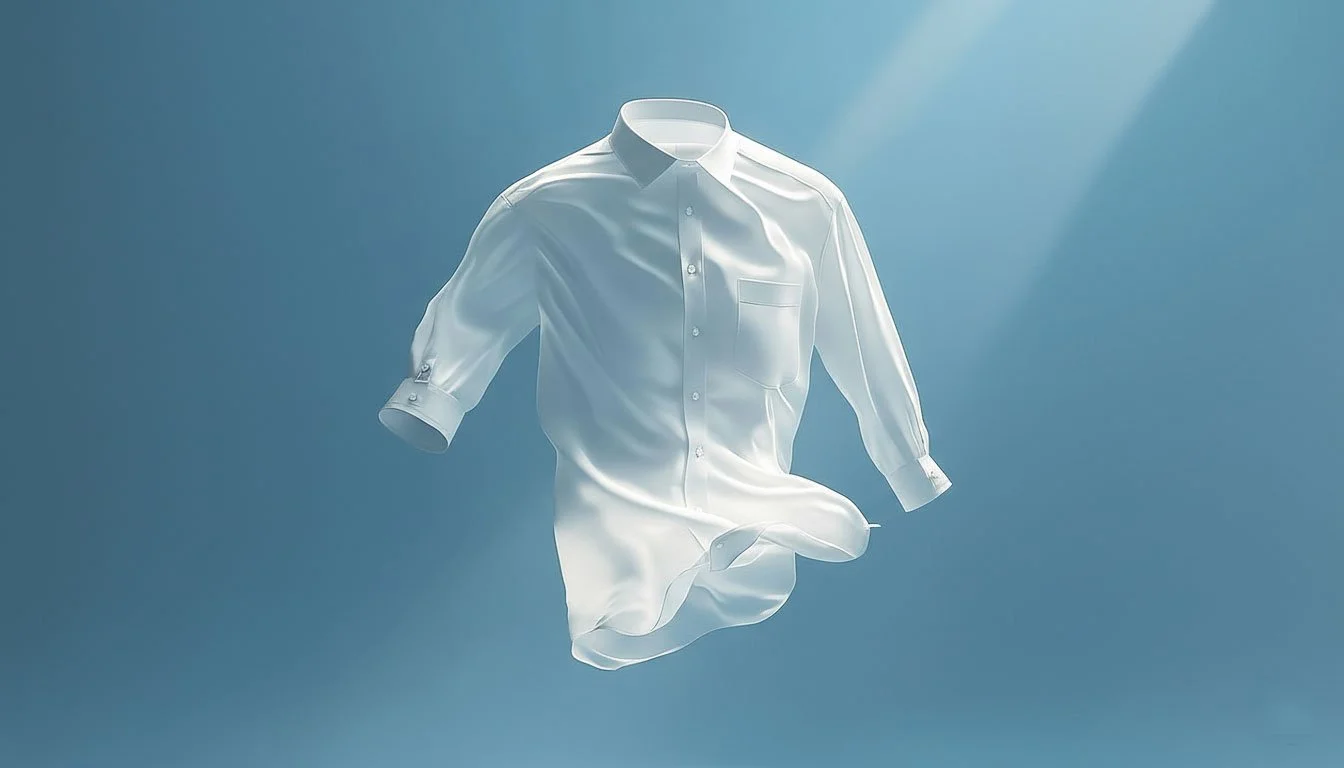
Silk is a protein fiber made by silkworms. This makes it more like hair and cashmere than cotton or linen. Like all protein fibers, it is highly sensitive to heat, alkaline chemicals, and aggressive mechanical action. These are also the three things that most standard laundry cycles deliver.
What silk cannot survive:
Hot water — it causes shrinkage and fiber degradation that cannot be reversed
Regular laundry detergent — most contain alkaline enzymes that attack protein fibers
The dryer — even on the lowest setting, residual heat damages silk fibers and causes pilling
Direct ironing — a dry iron on silk creates irreversible shine marks and can scorch the fiber
Rubbing when wet — wet silk is weaker than dry silk and is easily damaged by friction
What silk actually needs:
Hand washing in cold water with a silk-specific or pH-neutral detergent — use a capful, not a full measure
Gentle press and release — never wring, twist, or agitate
Roll in a clean white towel to remove excess water — never squeeze
Dry flat or hang away from direct sunlight — UV light yellows and weakens silk over time
Iron damp, on the lowest silk setting, always with a pressing cloth between iron and fabric
Why 'dry clean only' on silk is not just a precaution:
Most silk garments labeled 'dry clean only' are not using that label arbitrarily. Structured silk pieces — blouses with boning, silk-lined jackets, silk with embellishment — involve multiple materials with different shrinkage rates. Wet-cleaning can cause one layer to shrink while another does not, creating permanent distortion that cannot be pressed out.
If the label says dry clean only, it means it. Wet-cleaning silk at home is a calculated risk that sometimes works and sometimes does not — and the failures are expensive.
When Silk Needs Professional Care
There are categories of silk that should never be handled at home, regardless of how careful you are. Any silk garment with structure — boning, interfacing, padding, or lining in a different material. Any silk with embellishment — beading, embroidery, appliqué. Vintage or heirloom silk, where the fibers may already be fragile. And any silk that has been stained, where the wrong home remedy can permanently set the problem.
At Happy Cleaners, we wet-clean silk for most items. We avoid solvent-based dry cleaning in most cases. Water-based stains like wine, food, and sweat respond better to wet-cleaning. We use methods calibrated to silk’s specific needs. For structured items, we use dry cleaning. This helps prevent uneven shrinkage between layers.
Linen: More Forgiving Than It Looks, With One Rule
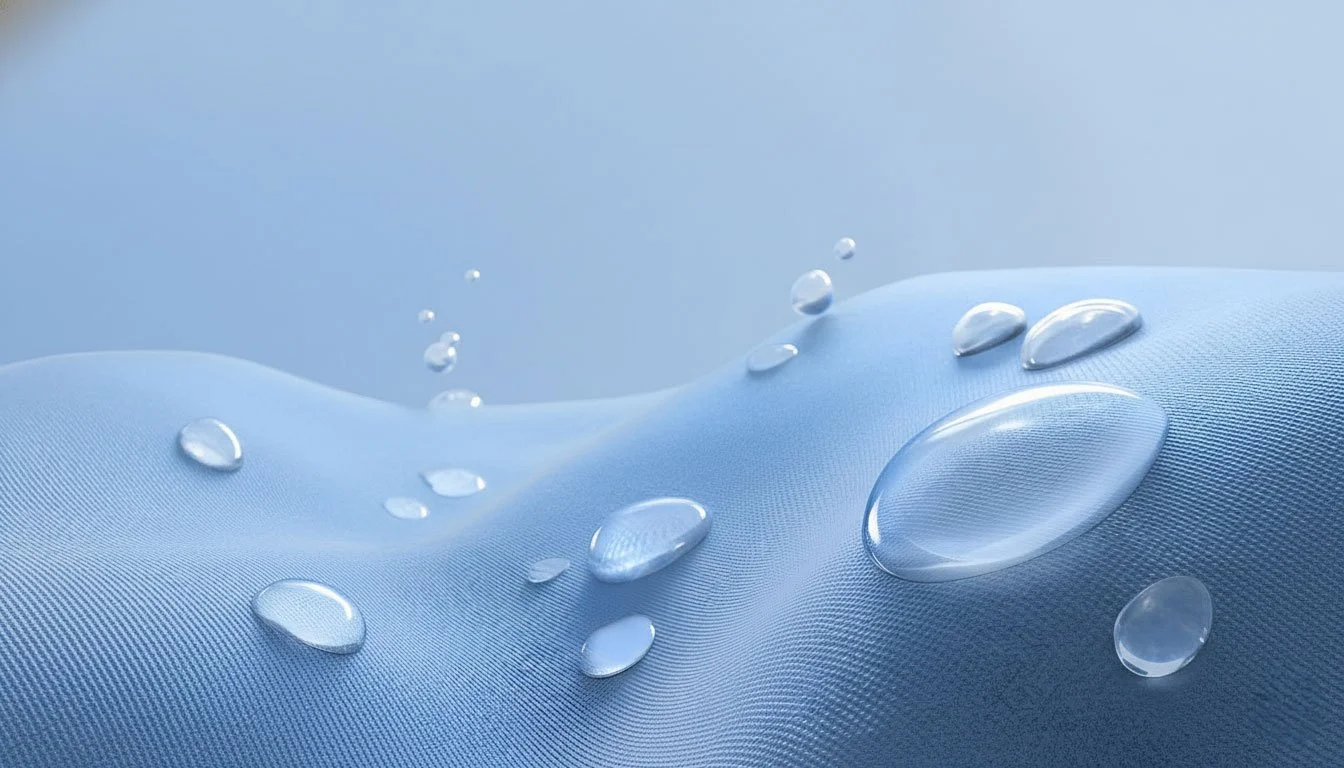
Linen has a reputation for being difficult. It earned this because it wrinkles a lot. People often try to fix this in ways that cause other problems. The fabric is actually more resilient than silk. It is made from flax fibers. These fibers are plant-based and stronger than cotton. Linen also regulates temperature naturally. This makes it ideal for spring and summer.
The rule for linen care is simpler than most people expect: wash it correctly, press it correctly, and the wrinkles take care of themselves.
Washing linen the right way:
Machine wash on a gentle or delicate cycle in cool or lukewarm water — linen can handle this
Use a small amount of gentle, pH-neutral detergent — standard laundry detergent is fine in moderate amounts
Do not overfill the machine — linen needs room to move freely without excessive friction
Remove promptly after washing — linen left in the machine develops set wrinkles that are harder to press out
Air dry or tumble dry on low — high heat causes shrinkage and fiber stiffening over repeated cycles
Pressing linen correctly:
This is where most people go wrong. Pressing dry linen requires very high heat, which works but risks scorching. Pressing linen that is still slightly damp works dramatically better — the steam in the fabric itself helps relax the fibers, and the result is smoother with less effort and less heat risk.
Press while still slightly damp, or spray with water before pressing
Use a hot iron (linen setting or cotton setting) — linen needs real heat to release wrinkles
A pressing cloth between iron and fabric protects the surface and prevents shine
Iron on the reverse side for dark linens — direct ironing can cause a slight sheen on dark fabric
Linen pressed slightly damp takes half the time and needs half the heat of linen pressed dry. The fiber does the work.
The Spring 2026 Silk and Linen Pieces Worth Knowing
The structured silk blouse — a defined silhouette with body, not fluid — is one of the key Spring 2026 pieces across multiple runways. The care rule for these is consistent: dry clean only, because the structure requires it. The fluid silk dress or wrap, by contrast, can often be hand-washed carefully.
Linen trousers and wide-leg linen separates are trending this spring as an alternative to denim. They are lightweight, breathable, and more refined in construction. Machine wash gentle, press damp, hang properly. They will hold their shape season after season.
The linen-blend blazer is a top Spring 2026 piece from a care standpoint. This fabric blend offers structure and breathability. Blended fabrics require reading the care label carefully. If the linen is blended with polyester or viscose, the heat tolerance is lower and the pressing rules change. If it is blended with cotton, it can handle more.
Not sure how to handle a spring piece? Bring it in.
Happy Cleaners has cared for silk and linen in Brooklyn for over twenty years. If you are not confident about how to handle something, a five-minute conversation at the counter is all it takes to know for sure.
Carroll Gardens (55 4th St) | Downtown Brooklyn (68 4th Ave) | Park Slope (182 5th Ave)
